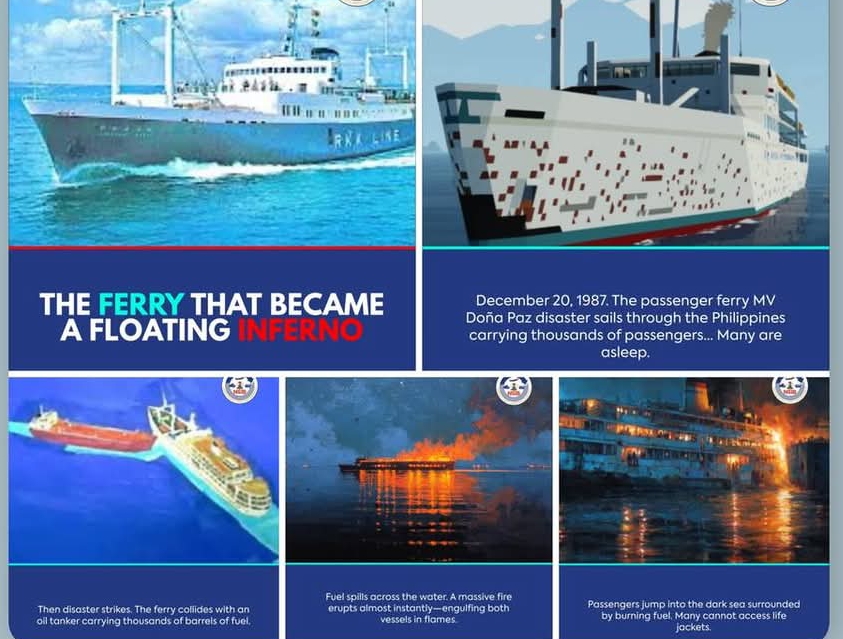
 The Nigerian Safety Investigation Bureau (Nigerian Safety Investigation Bureau) has renewed attention on the 1987 MV Doña Paz maritime disaster, widely regarded as the deadliest peacetime shipping tragedy in modern history, amid fresh concerns over maritime safety enforcement following recent incidents within Nigeria’s waterways.
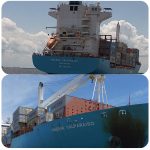
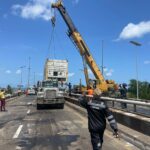
The Bureau referenced the disaster as part of broader safety reflections triggered by the 2026 Onne Port collision, using the historical case to underscore persistent global lessons in overcrowding, weak emergency systems, and operational negligence.
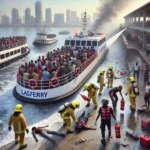
On December 20, 1987, the passenger ferry MV Doña Paz collided with the oil tanker MT Vector in the Philippines, igniting a massive fire at sea that engulfed both vessels. The ferry, reportedly carrying far more passengers than officially recorded, became a death trap as fire spread rapidly through overcrowded decks.
Investigations later confirmed a chain of failures including severe overloading, lack of passenger accountability, poor emergency preparedness, and inadequate safety enforcement. The disaster claimed more than 4,000 lives, with only 26 survivors, making it one of the most catastrophic maritime incidents in recorded history.
Experts Warn Against Repeating Historical Failures
Reacting to questions posed by The Ameh News on the implications of the NSIB’s renewed focus, experts stressed that recalling past disasters must go beyond symbolic reflection and translate into enforceable reforms.
According to Dr Akin Olaniyan, a veteran journalist and leadership coach with over three decades of experience, Nigeria’s maritime safety ecosystem risks stagnation if historical tragedies are not institutionalised into training and operational discipline.
He noted that:
“Referencing disasters like MV Doña Paz is important, but the real value lies in embedding these lessons into leadership decisions, compliance culture, and enforcement systems. Without that, we are only repeating history in different waters.”
Dr Olaniyan further emphasised that leadership accountability remains central to preventing maritime disasters, adding that operational negligence often stems from weak supervisory structures rather than a lack of knowledge.
Economic Perspective: Safety as an Efficiency Issue
From an economic standpoint, Celestine Ukpong argued that maritime safety failures carry significant financial consequences beyond human loss, affecting trade efficiency, insurance costs, and investor confidence in the logistics and transport sector.
He explained that systemic maritime failures “introduce hidden costs into the economy, from disrupted supply chains to higher risk premiums for operators.”
Ukpong added that:
“When safety systems fail, the market reacts. Insurance becomes more expensive, shipping becomes riskier, and ultimately consumers bear the cost. The lesson from MV Doña Paz is not only humanitarian—it is deeply economic.”
NSIB Urged to Strengthen Preventive Frameworks
The conversation sparked by the NSIB’s reference to the Doña Paz disaster has renewed calls for stronger preventive mechanisms within Nigeria’s maritime sector.
Stakeholders argue that while historical disasters remain valuable teaching tools, the real challenge lies in converting them into structured compliance systems, operator training modules, and real-time enforcement mechanisms.
Key concerns raised include:
Limited integration of global maritime case studies into licensing systems
Weak enforcement of passenger limits and vessel safety protocols
Inconsistent safety audits across waterways
Gaps in operator awareness of international maritime disasters
From Reflection to Reform
In response to ongoing discourse, Ameh News highlighted that the key question is not whether Nigeria remembers global maritime disasters, but whether such lessons are actively shaping present-day operational standards.
Experts agree that without deliberate institutional learning, historical tragedies risk becoming repeated warnings rather than preventive tools.
The MV Doña Paz disaster remains a stark reminder of how overcrowding, negligence, and weak enforcement can combine into catastrophic outcomes—an issue stakeholders insist must inform Nigeria’s evolving maritime safety framework.
The Nigerian Safety Investigation Bureau revisits the 1987 MV Doña Paz disaster as experts Dr Akin Olaniyan and economist Celestine Ukpong warn Nigeria to convert maritime safety lessons into enforceable reforms following concerns over recent port incidents.
Discover more from Ameh News
Subscribe to get the latest posts sent to your email.