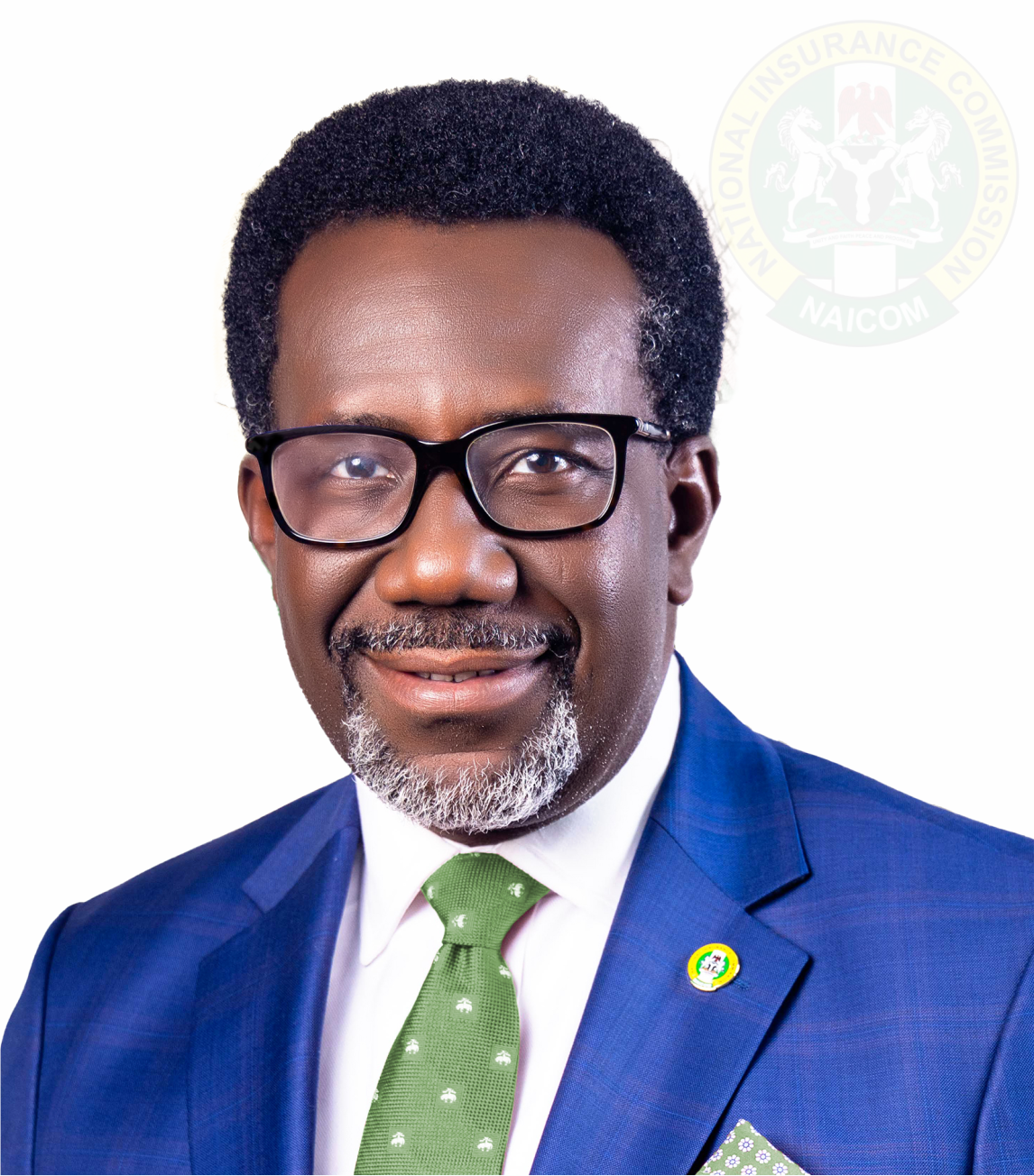
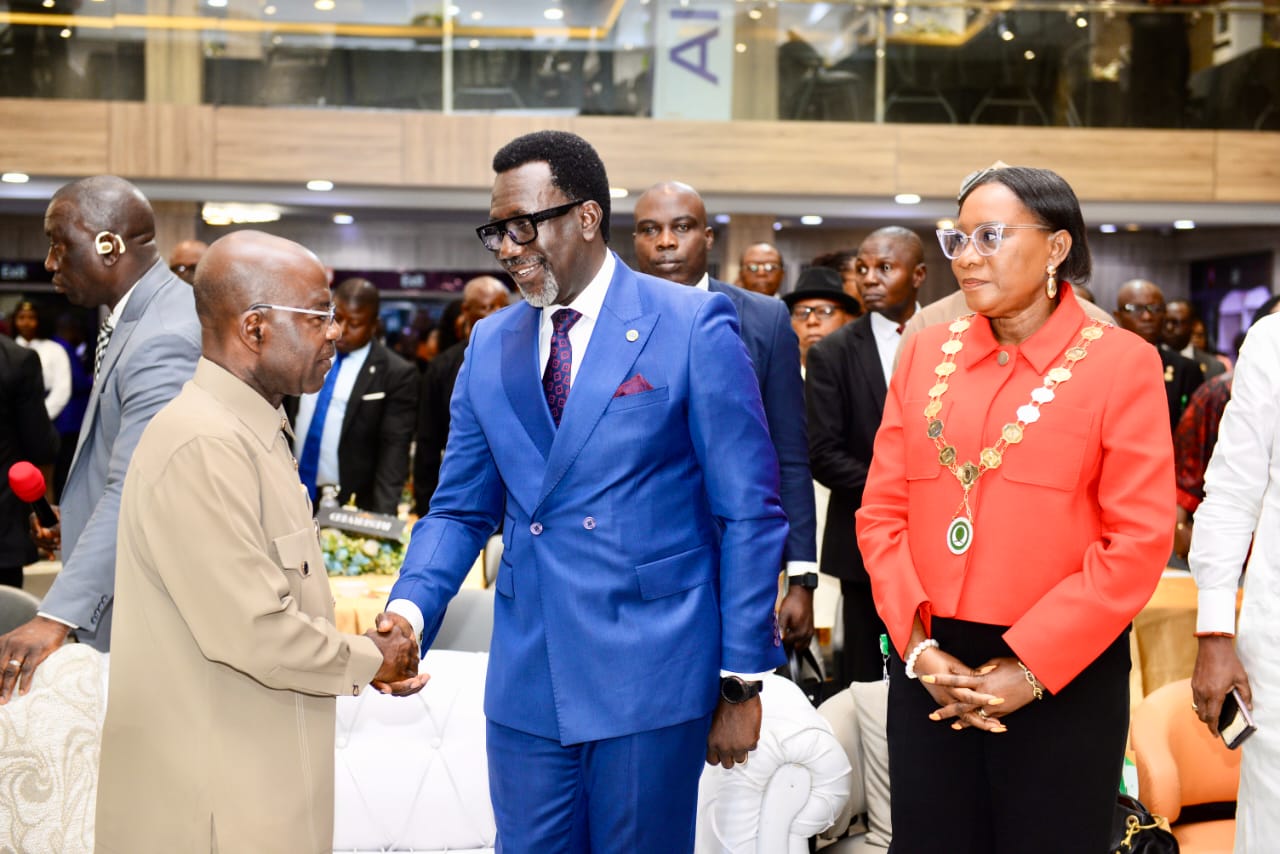
 Governor Alex Otti, the CFI and the NCRIB President
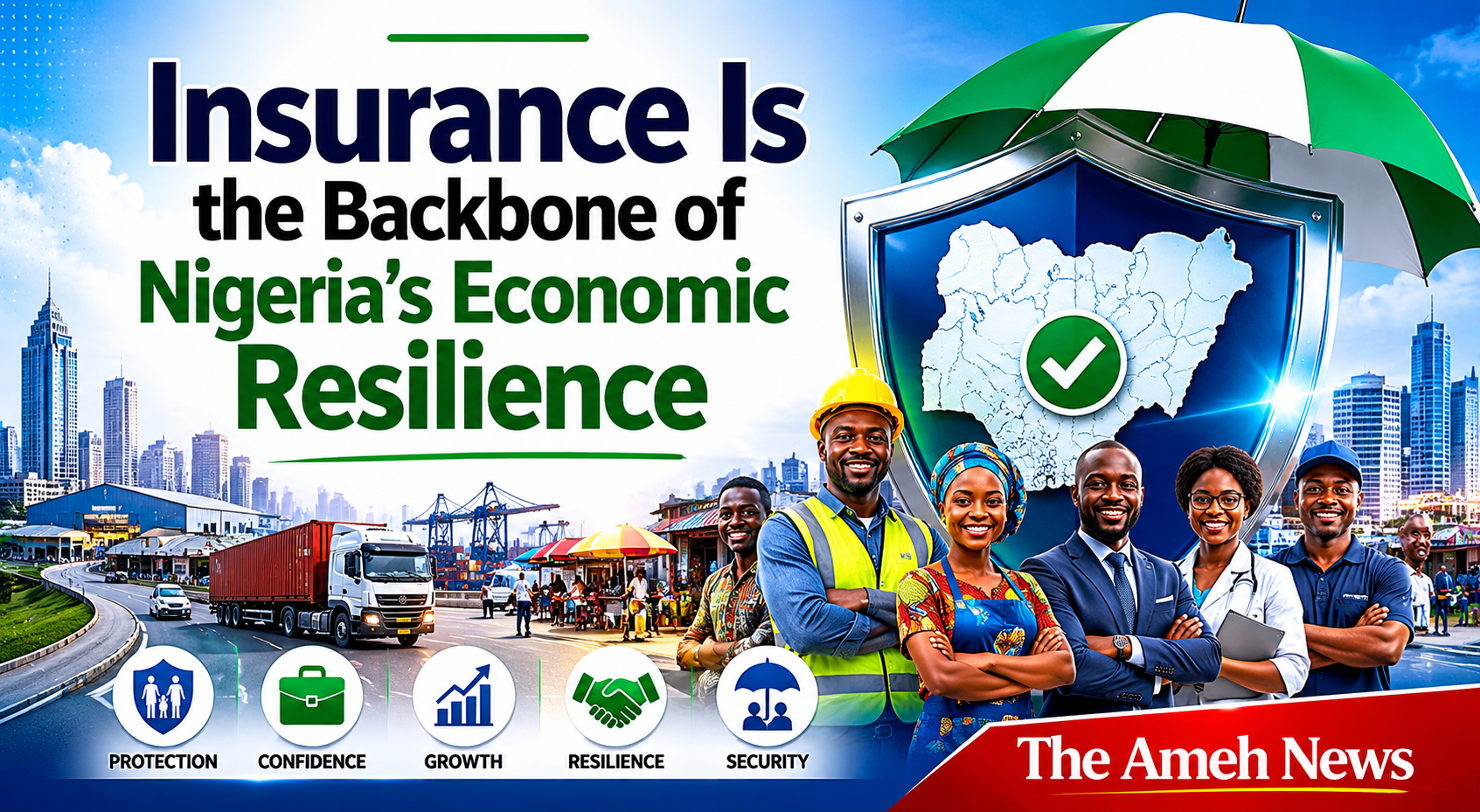
The Commissioner for Insurance and Chief Executive Officer of the National Insurance Commission (NAICOM), Mr. Olusegun Ayo Omosehin, has described insurance as the backbone of economic resilience and national development, declaring that no economy can sustainably grow without a strong culture of risk protection and financial security.
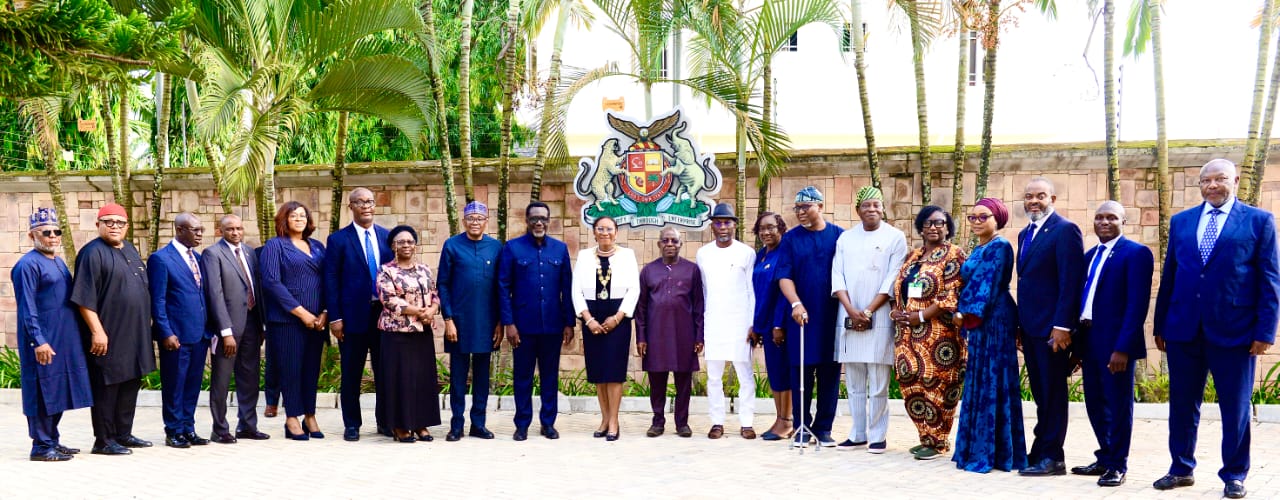
Speaking at the 2026 Chief Executive Officers’ Retreat of the Nigerian Council of Registered Insurance Brokers (NCRIB) and the unveiling of the NCRIB Insurance Awareness and Penetration Project in Umuahia, Abia State, Omosehin said the initiative represents a major step toward bridging Nigeria’s insurance knowledge gap and expanding financial inclusion among millions of Nigerians.
The event, hosted by the Government of Abia State under the leadership of Governor Dr. Alex Otti, marked the commencement of a strategic campaign designed to deepen insurance awareness, improve penetration levels, and promote a stronger risk management culture across communities, businesses, and institutions.
According to the NAICOM boss, the choice of Abia State as the pilot location was both symbolic and strategic, given its longstanding reputation as a centre of commerce, manufacturing, entrepreneurship, and innovation.
“Aba occupies a proud place in Nigeria’s industrial history as a city associated with enterprise, craftsmanship and manufacturing excellence. It is therefore fitting that a project designed to deepen insurance awareness, protect businesses and strengthen investor confidence should begin in a state with such a strong legacy of production and commercial energy,” he stated.
Insurance Beyond Policies and Premiums
Omosehin emphasized that insurance should no longer be viewed merely as a financial product but as an essential instrument for economic stability, business continuity, and social protection.
He described insurance as confidence, peace of mind, and a structured mechanism that enables individuals, families, businesses, and governments to recover from unexpected losses and disruptions.
The Commissioner noted that while insurance remains one of the most effective tools for mitigating financial shocks, its benefits can only be fully realized when citizens understand its value, relevance, and practical application in their daily lives.
“People need to know what insurance is, how it works, the types of protection available, and their rights and responsibilities as policyholders. Insurance must become relatable, understandable, and accessible to everyday Nigerians,” he said.
 Empowering Entrepreneurs Through Risk Protection
Reflecting on the economic profile of Abia State, Omosehin stressed that enhanced insurance awareness would provide critical protection for traders, transport operators, artisans, farmers, professionals, market associations, and small and medium-sized enterprises.
He explained that greater understanding of insurance products would encourage business owners to protect their shops, inventories, equipment, investments, and livelihoods against risks such as fire outbreaks, theft, accidents, illness, natural disasters, and business interruptions.
According to him, when businesses are adequately protected, they become more resilient during periods of economic uncertainty, thereby preserving jobs, sustaining investments, and supporting broader economic growth.
“Abia State is widely recognized for its entrepreneurial spirit and industrious population. In such a dynamic environment, insurance awareness is not optional; it is essential,” he declared.
Driving Financial Inclusion and Economic Growth
The NAICOM Chief Executive reiterated the Commission’s commitment to building a stronger, more inclusive, and more responsive insurance sector capable of supporting national economic objectives.
He noted that insurance penetration remains one of the critical indicators of financial inclusion globally and stressed that expanding insurance participation would strengthen investor confidence, improve economic sustainability, and promote long-term prosperity.
Omosehin underscored the importance of taking insurance education beyond conference halls and urban centres to markets, transport parks, schools, religious institutions, business clusters, and grassroots communities.
He urged stakeholders to communicate insurance messages in simple language and local dialects to ensure wider acceptance and understanding.
“Our message is simple: insurance is for everyone. It is not reserved for large corporations or government institutions. It is equally relevant to traders, transporters, artisans, farmers, professionals, landlords, tenants, students, and families,” he said.
One Insurance Industry Vision
The Commissioner also praised NCRIB and insurance brokers for their pivotal role in expanding insurance literacy and guiding consumers toward informed decisions.
 He described brokers as trusted professional advisers whose contributions are increasingly important as the industry intensifies efforts to improve public trust and participation.
Omosehin further highlighted the significance of industry-wide collaboration under the “One Insurance Industry” initiative, noting that collective action among insurers, brokers, regulators, and other stakeholders is crucial for achieving sustainable growth.
The collaboration, he said, sends a strong message of unity and shared commitment to delivering value to Nigerians while strengthening the credibility of the insurance ecosystem.
Strategic Partnership With Government
Beyond awareness campaigns, Omosehin advocated stronger collaboration between state governments and the insurance industry to enhance economic resilience and revenue generation.
He identified several areas where insurance can support public policy objectives, including mandatory insurance enforcement, protection of public infrastructure, market insurance schemes, and coverage for critical facilities such as hospitals, fuel stations, power installations, and transport infrastructure.
The Commissioner also pointed to opportunities for integrating insurance into state-backed loan programmes, empowerment initiatives, and poverty alleviation schemes to ensure sustainability and business continuity for beneficiaries.
Industry analysts note that such partnerships could significantly reduce the financial burden on governments during disasters and emergencies while creating a more secure investment environment.
Measuring Success Beyond Ceremonies
In a reflective conclusion, Omosehin stated that the success of the NCRIB Insurance Awareness and Penetration Project would not be measured by the launch event itself but by its long-term impact on the lives of Nigerians.
He said the true test would be reflected in the number of citizens who become better informed about insurance, the businesses that adopt stronger risk management practices, and the extent to which insurance becomes an integral part of everyday economic activity.
“The economic engine of any nation is powered by the resilience provided by insurance. A nation that protects its assets, businesses, and citizens is a nation positioned for sustainable growth,” he remarked.
As Nigeria’s insurance industry continues its push for deeper penetration and greater public trust, stakeholders view the Abia initiative as a potentially transformative model capable of accelerating insurance adoption across the country and unlocking the sector’s vast untapped potential.
For many observers, the launch signals a renewed commitment by regulators, brokers, and government institutions to move insurance from the margins of public consciousness to the centre of Nigeria’s economic development agenda.
NAICOM Commissioner Olusegun Omosehin says insurance is critical to economic resilience as NCRIB launches a major awareness and penetration initiative in Abia State aimed at boosting financial inclusion and business protection.
Discover more from Ameh News
Subscribe to get the latest posts sent to your email.